Plastering and Painting Walls with Just One Tape
The Kip WASHI-TEC® MULTI-TAPE 2-in-1 plastering tape and painter’s tape makes it possible
The combination of cloth tape and washi tape—it doesn’t get any faster than this! With Kip’s WASHI-TEC® MULTI-TAPE, you can mask off surfaces for plastering and painting in a single step. Whether it’s an exterior facade, basement, interior walls, concrete ceiling, bathroom, or exterior wall—just apply it once, and paint after plastering.
Combination Tape for Plaster and Paint Perfect Paint Edges Thanks to easystripe Technology
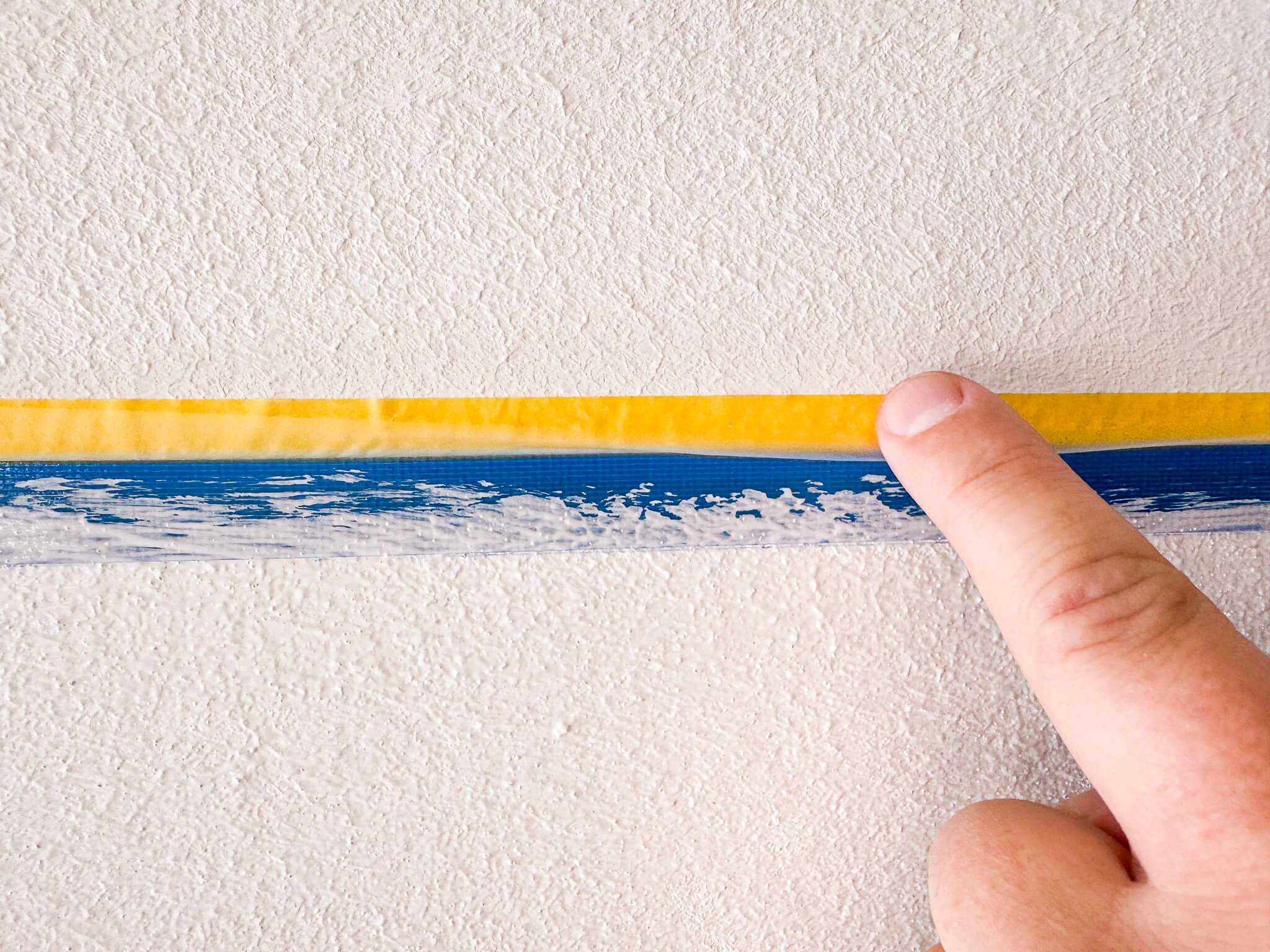
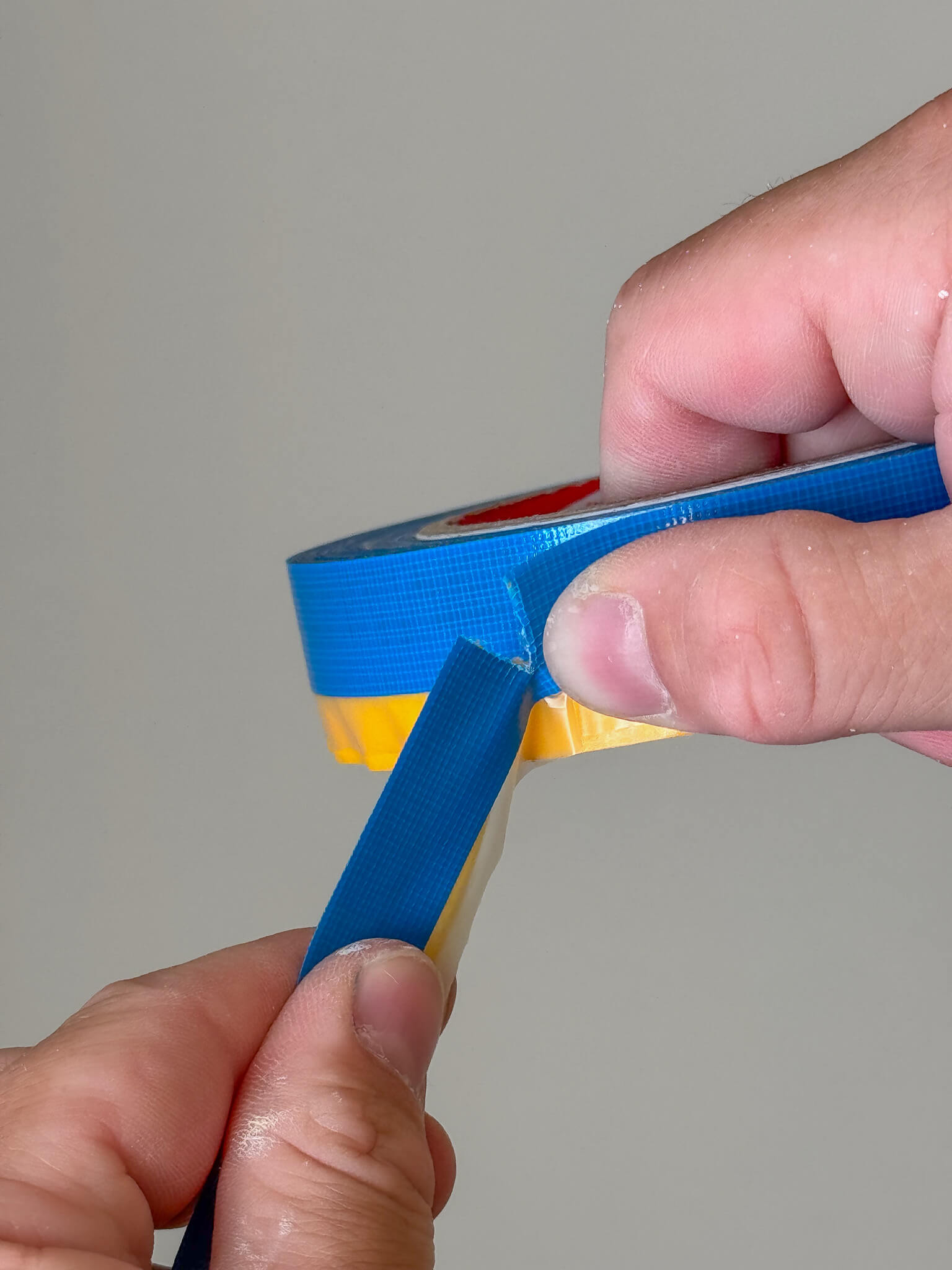
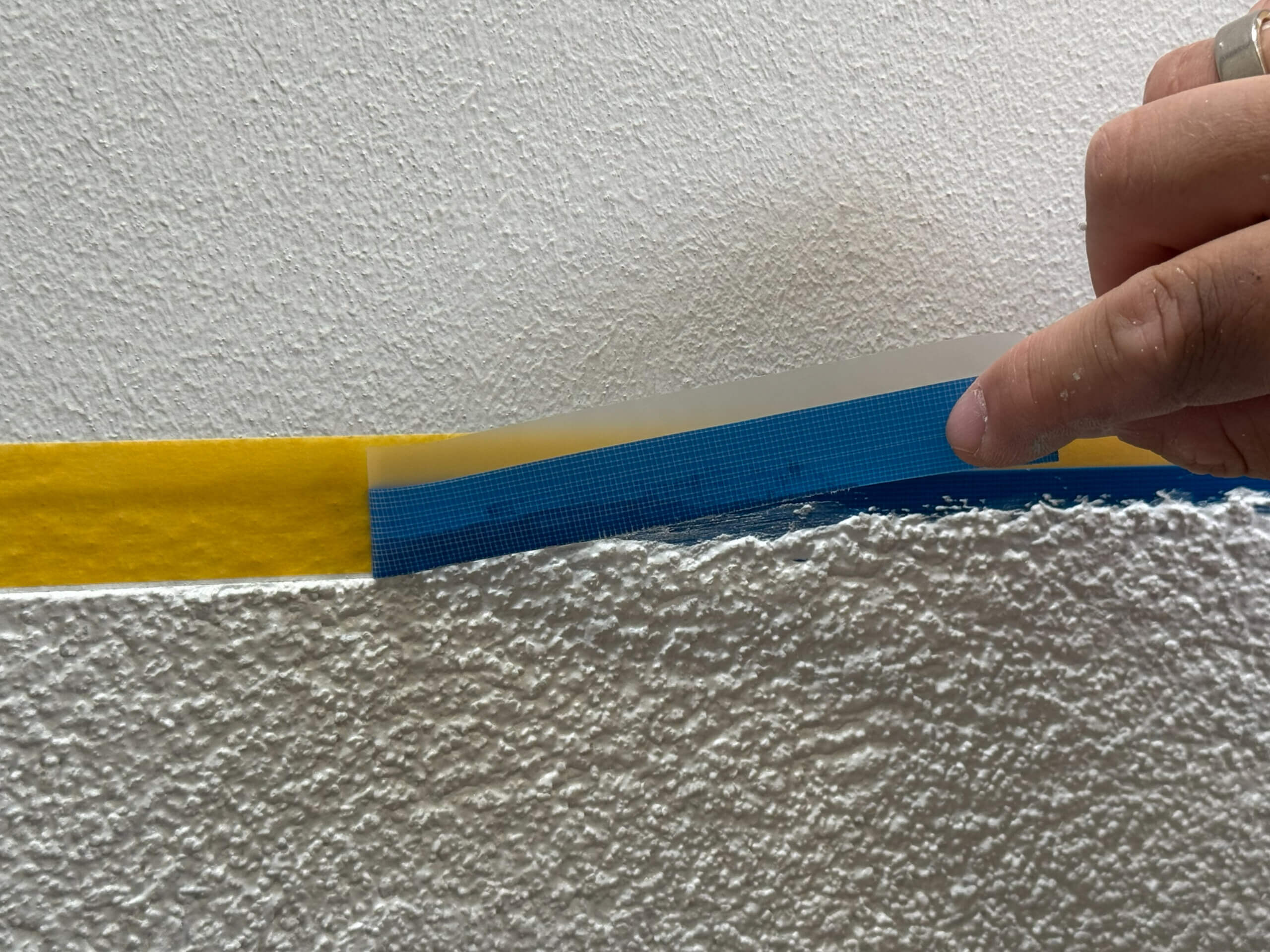
Thanks to the innovative easystripe technology, you’ll save time and achieve razor-sharp edges. The blue cloth tape is separated from the Washi tape by a release liner, allowing it to be peeled off effortlessly and evenly. In addition, the cloth tape protrudes slightly above the Washi tape; this feature ensures that the Washi tape remains untouched by the rough plaster and results in a crystal-clear paint edge.
How to Mask Properly with Multi-Tape Textured Plaster
This specialty adhesive tape is particularly well-suited for textured plaster, such as: panel plaster, rubbed plaster, scraped plaster, rolled plaster, brushed plaster, wiped plaster, sculpted plaster, colored stone plaster, acrylic plaster, and many more.
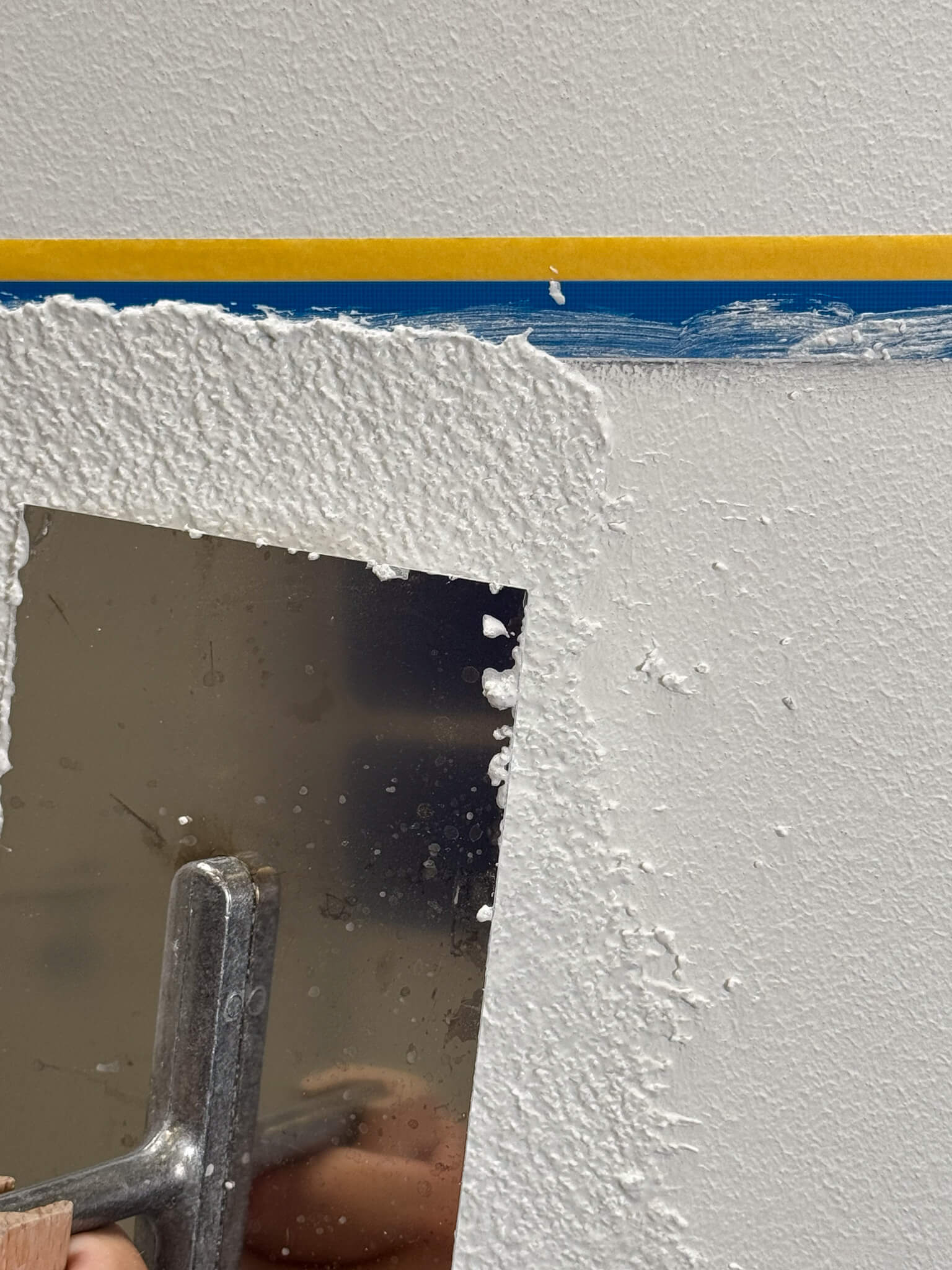
Applying textured plaster places a high mechanical load on masking tape. Therefore, it is recommended to use a sturdy cloth tape, which should be removed before the textured plaster is completely dry to prevent edge chipping. However, you must mask again for subsequent painting. When using WASHI-TEC® MULTI-TAPE, this step is eliminated. This saves time, material, and thus money.
When using standard cloth tapes, you may encounter some problems when working with textured plaster. For example, you may end up with frayed paint edges or paint splatters. In addition, removing the tape can sometimes damage the substrate or leave annoying adhesive residue on the wall—but not with Kip WASHI-TEC® MULTI-TAPE!
Thanks to the combination of Cloth tape and Washi tape, the wall remains protected during plastering and is spared damage due to the tape’s mild adhesive strength when masking.
Benefits of Washi Tape
What makes washi tape so great? Washi tape is made from the highest-quality materials. This makes the paper waterproof, vibrant, weather-resistant, UV-resistant, and extremely durable—yet it can still be easily torn by hand for added convenience.
Thanks to its acrylic adhesive, Washi tape adheres gently and is guaranteed to leave crisp, defined edges without damaging the wall or leaving any residue.
Step-by-Step Guide for Using Kip WASHI-TEC® MULTI-TAPE in Plastering Projects
1. Proper Preparation
Proper preparation is essential if you want to ensure that the final result of the bonding process meets your expectations.
First, any old wallpaper scraps and loose plaster should be completely removed, and all holes and cracks in the wall should be filled and sanded to create as smooth a surface as possible.
The surface should also be clean to ensure proper adhesion. This means the surface should be dust-free, dry, and free of grease. In addition, the load-bearing capacity of the surface should be checked.
Highly absorbent surfaces such as drywall, untreated wood, or aerated concrete should ideally be pretreated with a deep-penetrating primer before bonding to ensure that the coating provides even coverage later on.
2. Securely mask off surfaces for plastering with WASHI-TEC® MULTI-TAPE
All areas that need to be protected from the plaster—such as windows, doors, or floors—should be masked off with Multi Tape. Make sure the painter’s tape adheres well to the entire surface and fits snugly. To do this, press the tape down carefully all over the surface.
This is the only way to achieve razor-sharp color edges with professional-quality results.
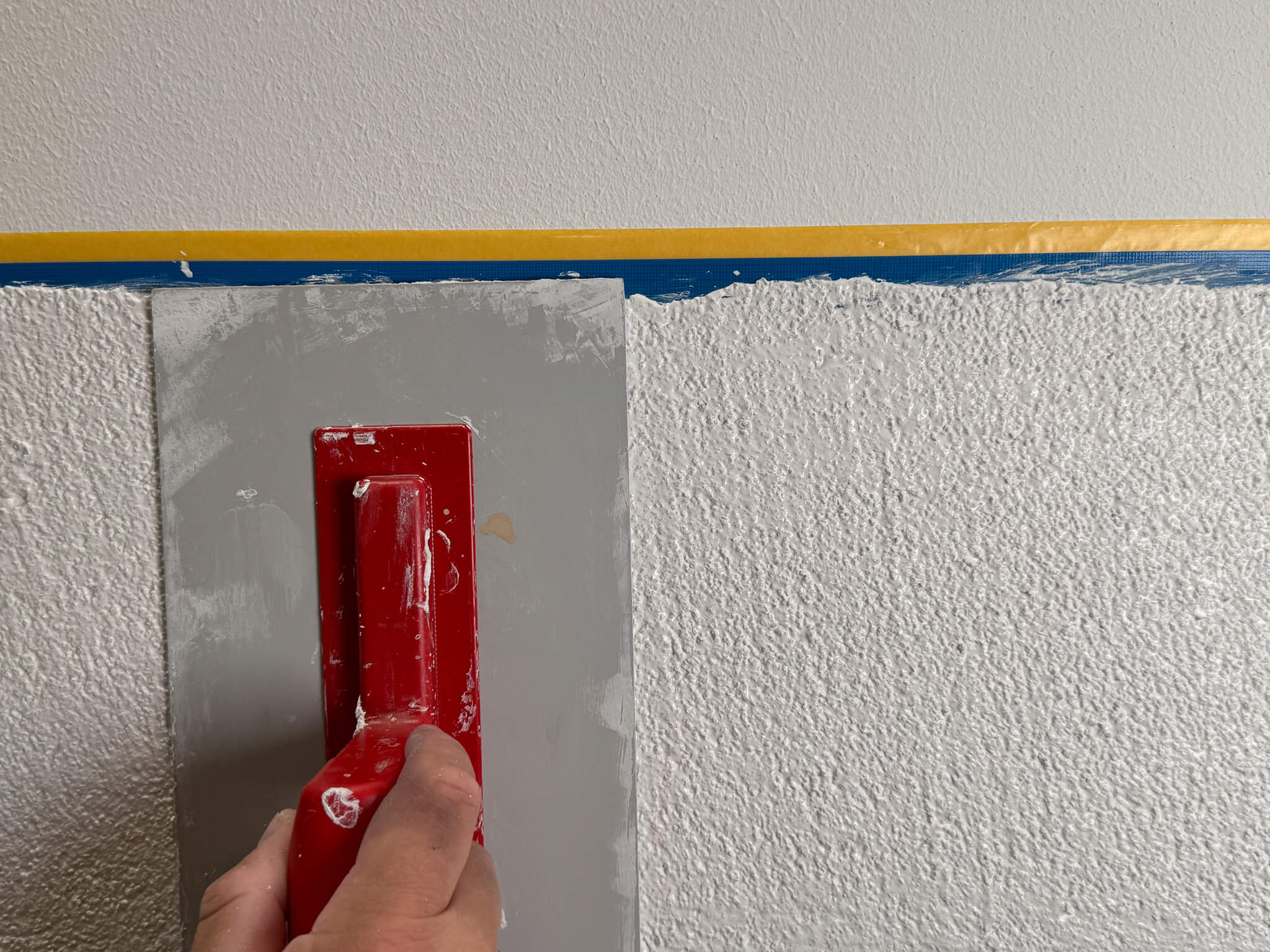
3. Apply textured plaster
If the wall is severely damaged, the first step is to apply a base coat of plaster to restore stability and create a sound substrate. A thin layer of finish plaster is then applied.
Please always follow the plaster manufacturer’s instructions regarding the application technique to achieve the best overall finish. The Cloth tape can be plastered over without any problems, as it can withstand high stresses.
4. Remove the cloth tape
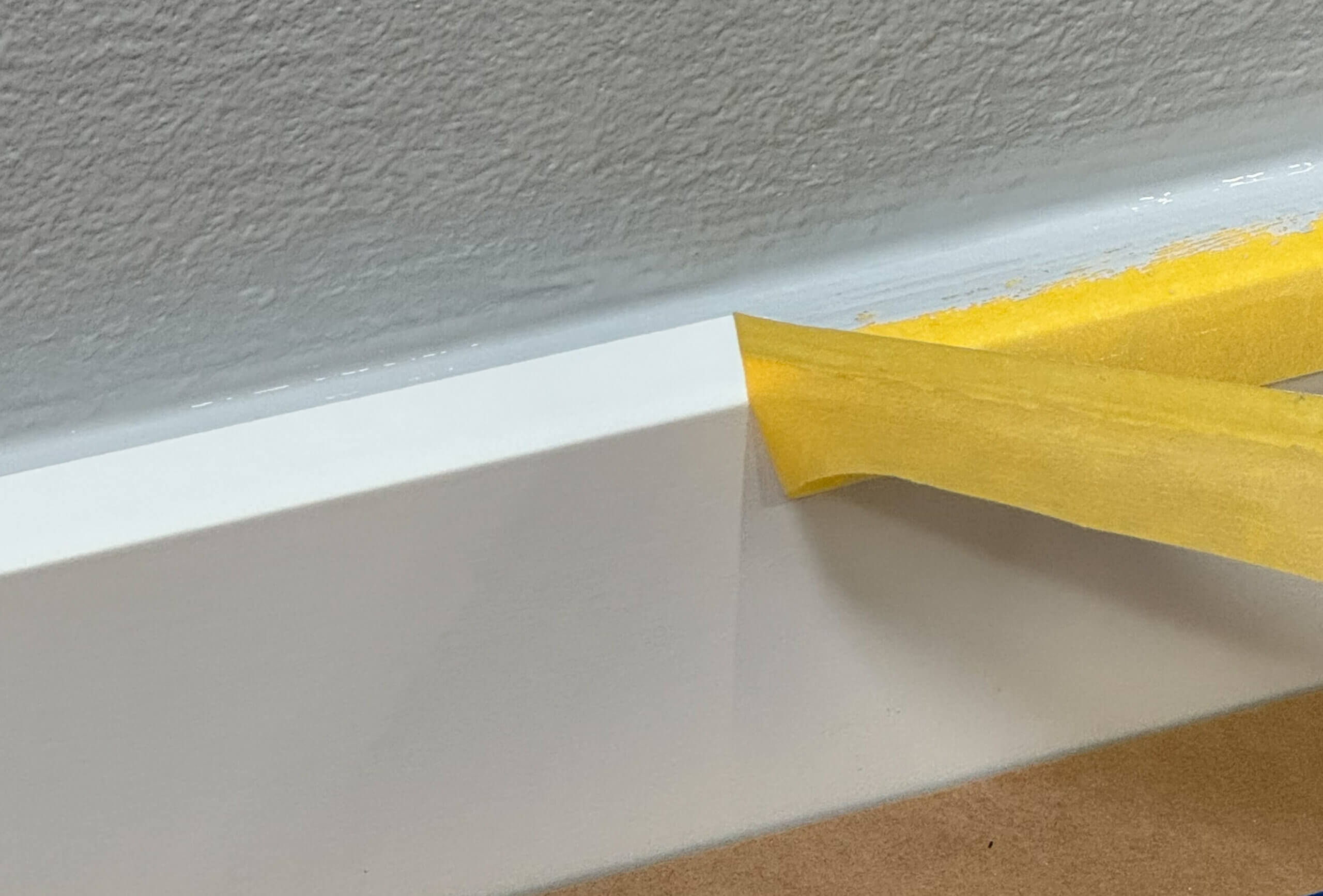
Thanks to easystripe technology, the Cloth tape can be easily separated from the painter’s tape. The Washi tape remains reliably protected and undamaged throughout the process. Thanks to the slight offset of the Cloth tape, even the edge of the plaster remains razor-sharp and can be painted cleanly.
5. When to Paint After Plastering
Before painting, the rough-textured plaster must be completely dry. Important: Be sure to follow the manufacturer’s instructions regarding drying times.
Under optimal conditions, the Washi tape can remain adhered for up to 2 months outdoors and up to 6 months indoors without leaving any residue.
6. Paint the newly plastered wall
Choosing the right color depends heavily on the type of textured plaster and where it will be used.
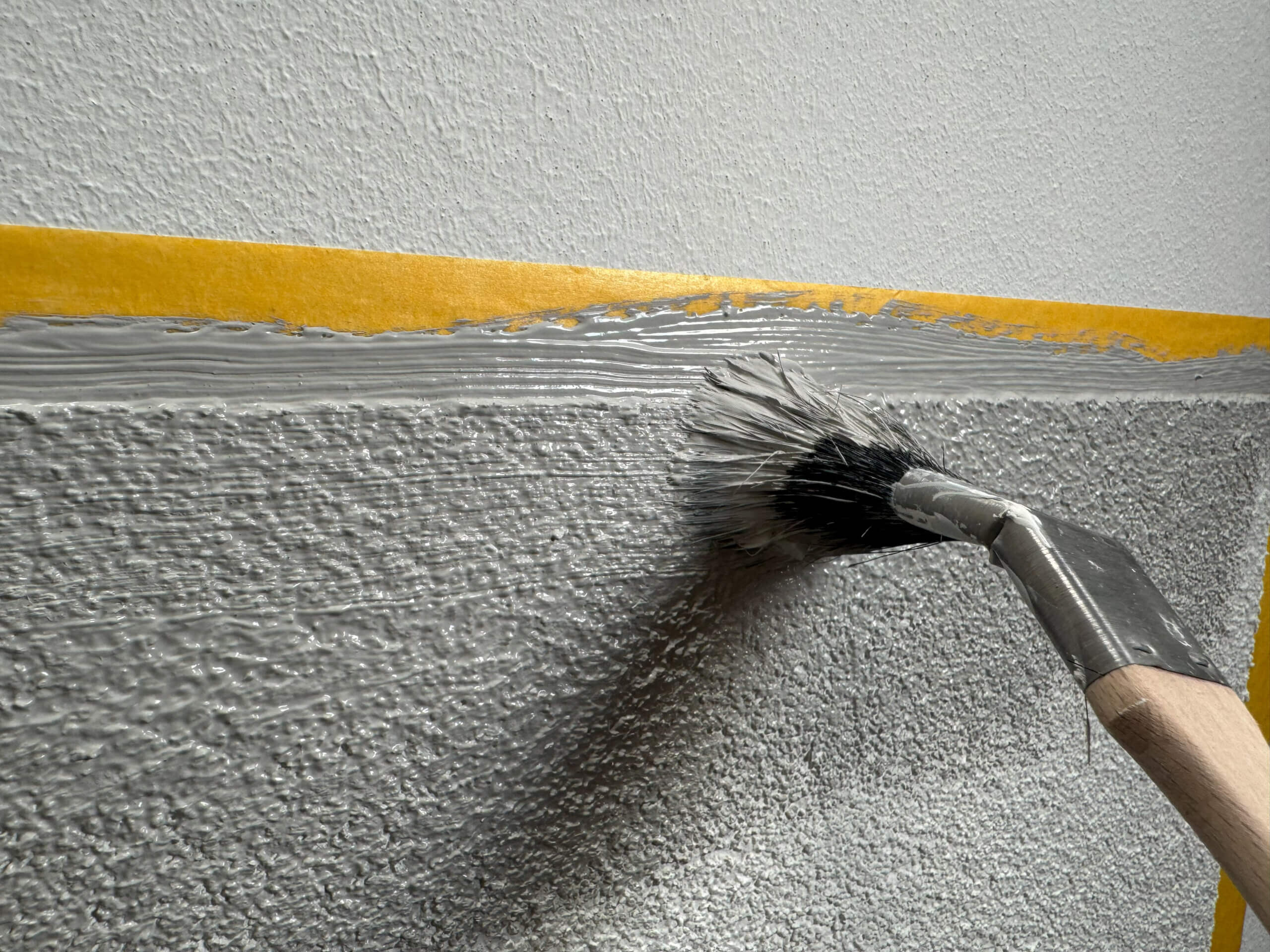
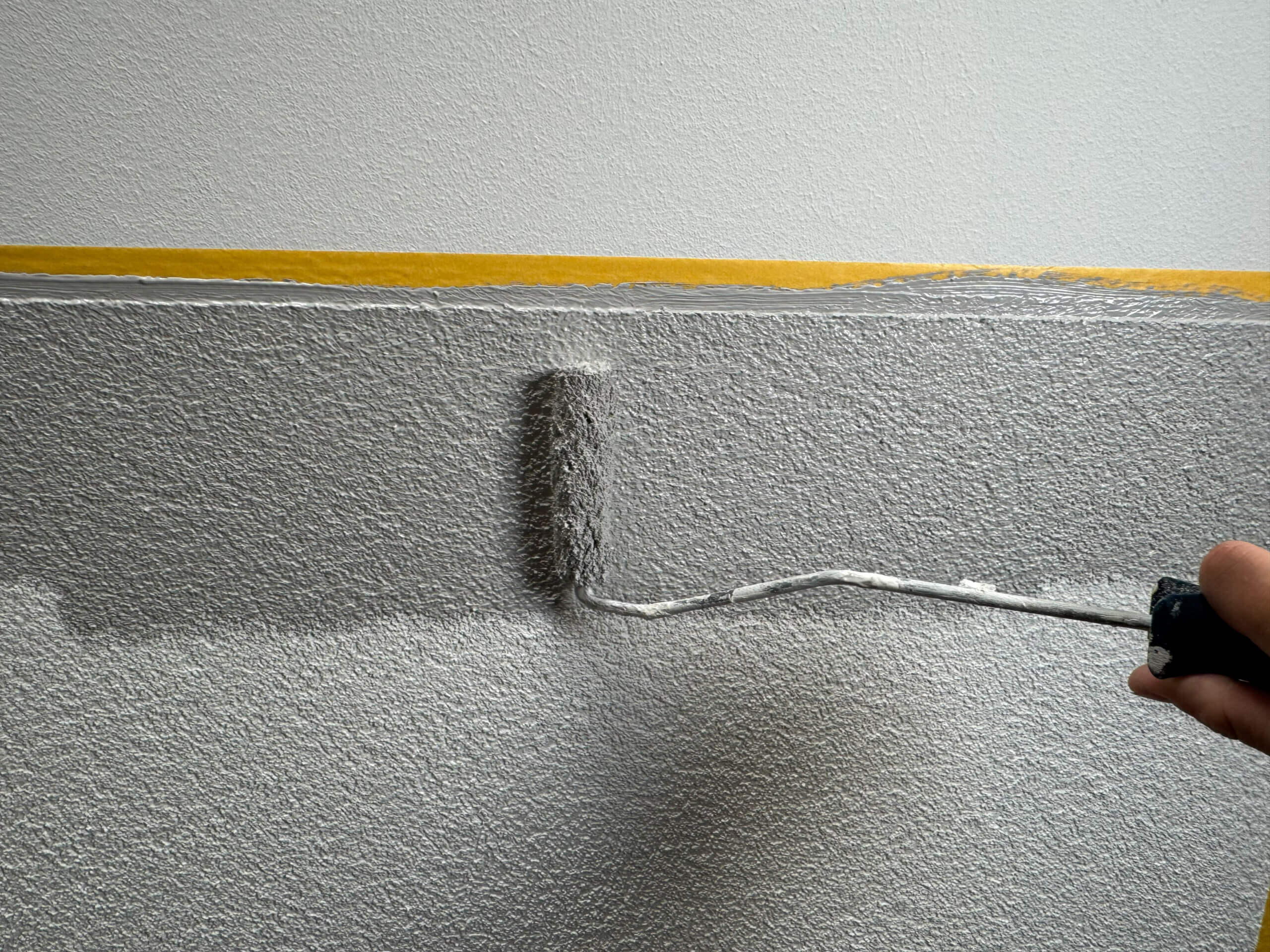
First, use a brush to apply a base coat to the corners and edges. Then paint the wall surface. Again, be sure to follow the paint manufacturer’s instructions regarding the recommended painting technique.
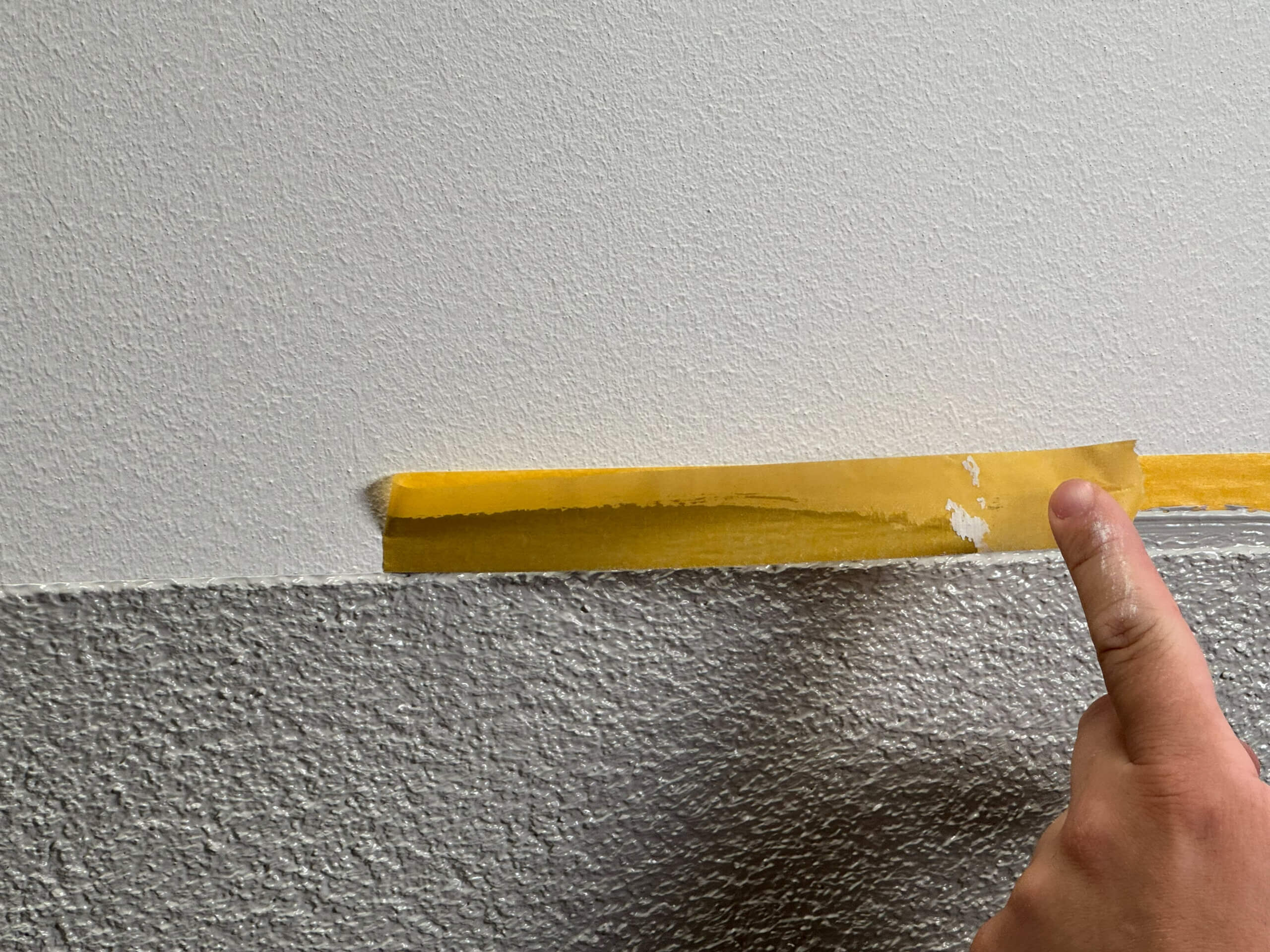
7. Peel off the Washi tape, and you're done!
Once the wall paint has dried, you can carefully peel off the Washi tape. The result is professional, razor-sharp paint edges that look great.
Whether you’re renovating or remodeling: With WASHI-TEC® MULTI-TAPE, you can apply plaster and paint with just one bond—cleanly, precisely, and without having to switch materials. The perfect, time-saving solution for textured plaster on your construction site.
Important: Regular ventilation ensures a healthy indoor environment and reliably removes paint fumes.
Benefits at a Glance
- Applying the sticker once is sufficient for two steps.
- Crystal-clear color edges every time.
- Effortless and even separation of the cloth tape from the gold masking tape thanks to integrated easystripe technology.
- Ideal for high mechanical loads, especially with textured plaster.
- Protects the surface and prevents damage when peeling off due to its light adhesive strength.
- Under optimal conditions, it can be peeled off without leaving any residue, even after long-term use indoors and outdoors.